OrxaGrid partnered with a solar operator that wanted to reduce operating costs through predictive maintenance.
About Solar Farms and Transformers
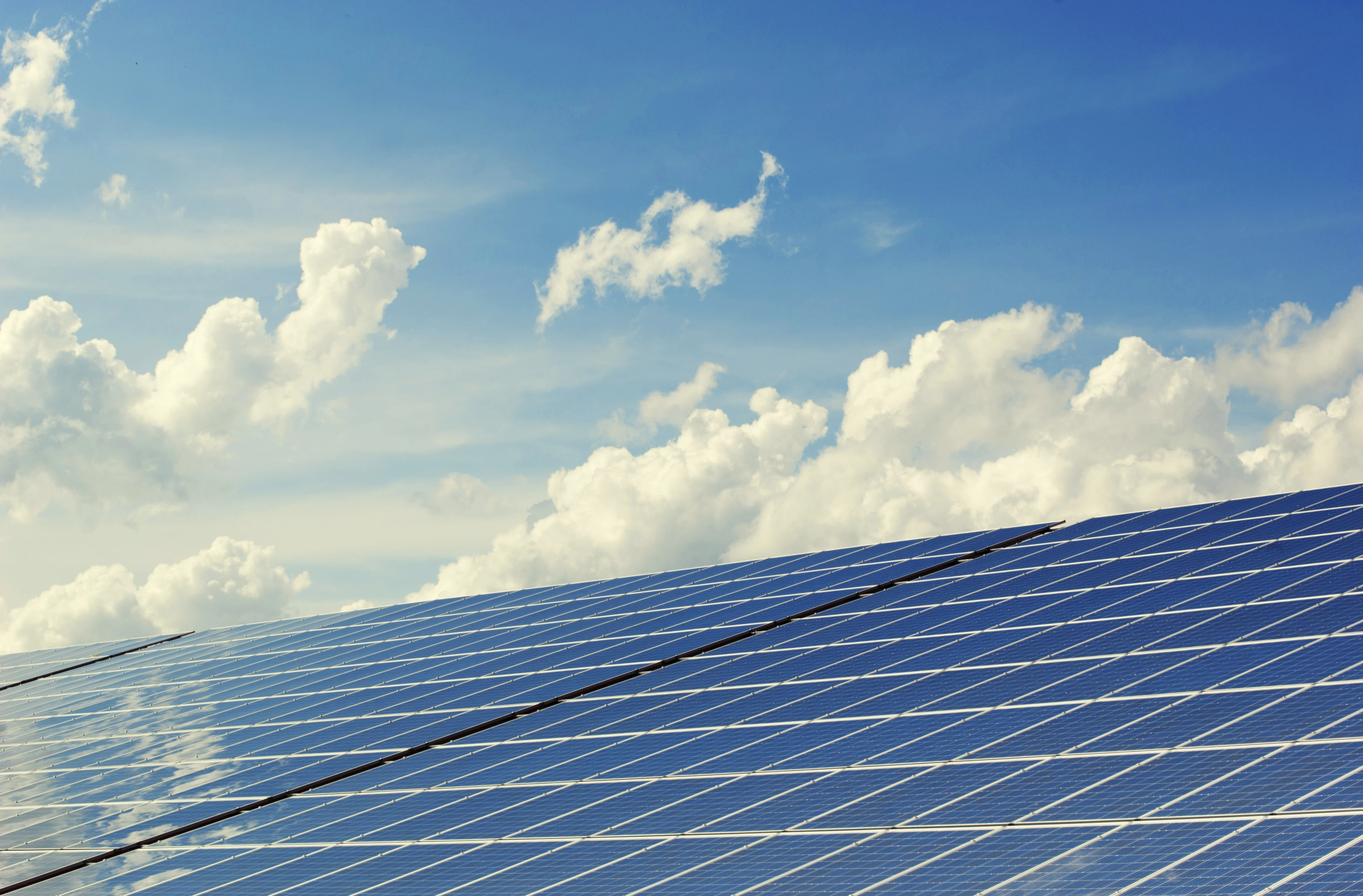
Solar power in India is a fast developing industry. India is one of the lowest cost producers of solar due to a combination of high solar potential, low land costs and dropping panel costs.
Most solar energy in India is generated by large-scale industrial solar farms which feed into the local electricity grid. A 5MW solar farm can power over 1,500 homes annually (based on an average annual consumption of 3,300 kWh) and save 2,150 tonnes of CO2.
Solar farms do not have moving parts, and maintenance is minimal compared to other electricity generation types — but large scale solar installations need efficient transformers to feed electricity into the network. Power transformers are critical grid assets delivering electricity at the voltage rating required to power residential, industrial, and commercial users. As single points of failure, it is critical that power transformers operate at high efficiency and reliability.
The Challenge
Typically, most solar operators follow routine maintenance checks on their transformers which is not only time consuming but also expensive due to personnel costs and loss of revenue during downtime. Routine maintenance prevents operators from predicting future transformer failures, inefficiencies, and maximum permissible utilisations. It may also result in deterioration of nearby assets that are overloaded during this time to manage increased demand.
Realising the importance, the partner tasked OrxaGrid with monitoring and analysing a 1.5MVA step-up transformer that fed electricity from the 5MW solar plant into the electricity grid.
Partner Requirements
The objective was to create a system that would allow the industrial operator to monitor and analyse its transformers to ensure a smooth and efficient inflow of energy from the solar generation site. The operator needed a system that could:
- Monitor electrical parameters of transformers in real-time
- Provide OLTC tap position indicator accessible from the control office
- Monitor alarm and shutdown signals
- Monitor oil and winding temperatures and oil levels
- Identify and predict energy violations such as over voltage, phase imbalance and excessive peak demands
- Monitor the condition of transformers to reduce maintenance downtimes
All information needed to be presented in an easy-to-read dashboard accessible online from anywhere.
Solution
OrxaGrid deployed its unique Analytics Platform to analyse the solar generation data at the transformer location. The system constituted STEM sensors for data collection and the analytics platform for data management, analysis and visualisation.
STEM was installed on the transformer to measure transformer power parameters as well as transformer condition. The sensor communicated through HTTPS REST services using secure Machine to Machine cellular cards to the Analytics Platform. Additionally, STEM stored backup data onboard for extra reliability.
OrxaGrid enforced security using device-specific logins to prevent unauthorised access and SSL encryption for secure data transfer. The web and mobile enabled dashboards were designed to be intuitive and simplicity-driven for use by both domain experts and non-technical users.
Result
The project return on investment was apparent within days of implementation. Key results were:
- Identified daily peak loading on the transformer at noon, moving to zero at night — with correlation between solar generation and weather information such as cloud cover
- Solar generation during summer and winter months was almost 50% more than the cloudy rainy season
- Voltage drops appeared at evening times when solar generation stopped as the asset tries to synchronise with the grid network
- Voltage levels were closely monitored to ensure they remained within permissible limits, preventing technical losses
- Transformer tap positions were recommended to be changed automatically based on solar generation prediction
- Continuous energy accounting identified that power generated from the solar park was equivalent to power supplied to the grid, with minimal internal transformer losses
- The transformer had adequate spare capacity and due to low loading, its long-term healthiness showed reliable results
OrxaGrid’s IoT based solution proved to be a viable solution for the industrial solar park, maximising energy efficiency of the solar feed into the grid. The system was scalable through retroactive addition of sensors from other substations, and interoperable with existing data sources such as metering and SCADA.
Subscribe and come back to find out more about new app features, improvements and the essentials of managing your electricity distribution network.
Thoughts? Feedback? Questions? Contact us
OrxaGrid is an IoT and data analytics company on a mission to enable a reliable, affordable and sustainable energy future for all.