
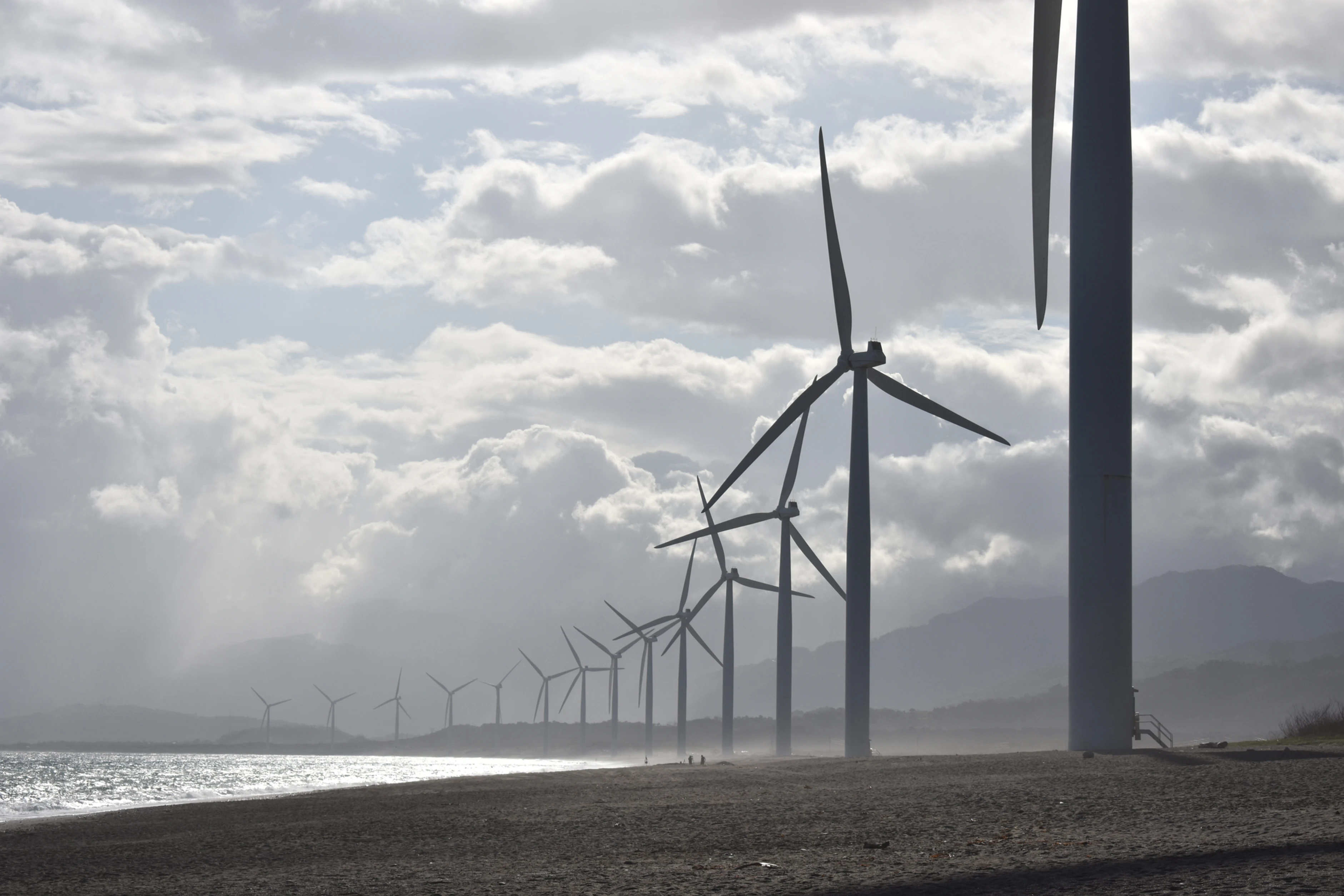
OrxaGrid partnered with a wind generation operator that wanted to reduce operating costs through predictive maintenance.
Challenge
The operator wanted to test a predictive maintenance strategy that could reduce operating costs by minimising cost of replacement and by decreasing the amount of productive time lost to maintenance. The operator’s goal was to foster new innovative and reliable predictive maintenance strategies backed by data.
The Solution
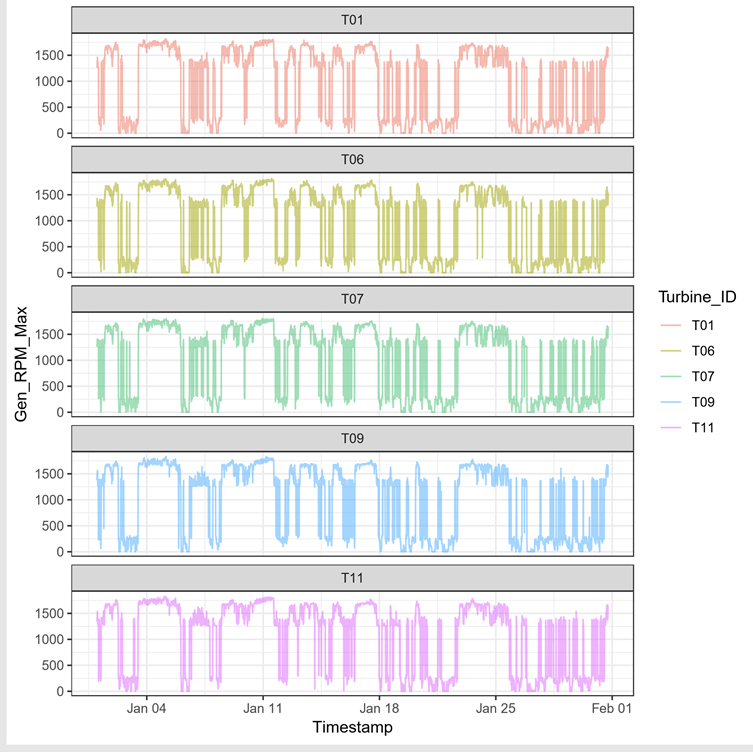
OrxaGrid obtained SCADA, meteorological mast, maintenance log and historical failure data of five 2MW wind turbines to build a failure prediction model. The components that were to be monitored were gearbox, generator, generator bearing, hydraulic group and transformer.
The SCADA data was at a 10 minute interval resolution. The data consisted of a number of parameters such as:
- Generator RPM, rotor RPM, wind speed, wind direction
- Temperature in generator bearing, temperature inside stator winding phases
- Ambient temperature, active power, reactive power
- Transformer per phase temperature, hub controller temperature, nose cone temperature
- Frequency and voltages per phase
The meteorological mast signals data consisted of parameters such as wind speed (min/max/average/variance), pressure, ambient temperature, humidity, anemometer data and rain sensor data.
OrxaGrid deployed its prediction model to predict failure between 2 to 60 days before the actual failure occurred for turbine components — gearbox, generator, generator bearing, hydraulic group and transformer.
The model was built using features generated from the signal data, meta-mast data and log data using a lag window based on the prediction time with mean and standard deviation, then mapping the failure data with the features. A multiclass classification machine learning model was used.
The Result
The algorithm results were classified as true positives, false negatives and false positives:
True positives: Failures of the correct wind turbine component detected within the warning window of 2 to 60 days in advance. This amount translated into financial savings as a difference between replacement and repair costs.
False negatives: Wind turbine component failures that occurred but were not detected within the warning window. This amount translates into replacement costs.
False positives: Wind turbine component failures that were incorrectly detected by the algorithm i.e. when there was no failure. This amount translates into unnecessary inspection costs.
OrxaGrid succeeded in predicting transformer, generator and hydraulic group failures up to 19 days in advance, thus preventing hundreds of thousands in replacement cost to the operator.
Subscribe and come back to find out more about new app features, improvements and the essentials of managing your electricity distribution network.
Thoughts? Feedback? Questions? Contact us
OrxaGrid is an IoT and data analytics company on a mission to enable a reliable, affordable and sustainable energy future for all.